

How to Spot Signs of Subsidence in a House
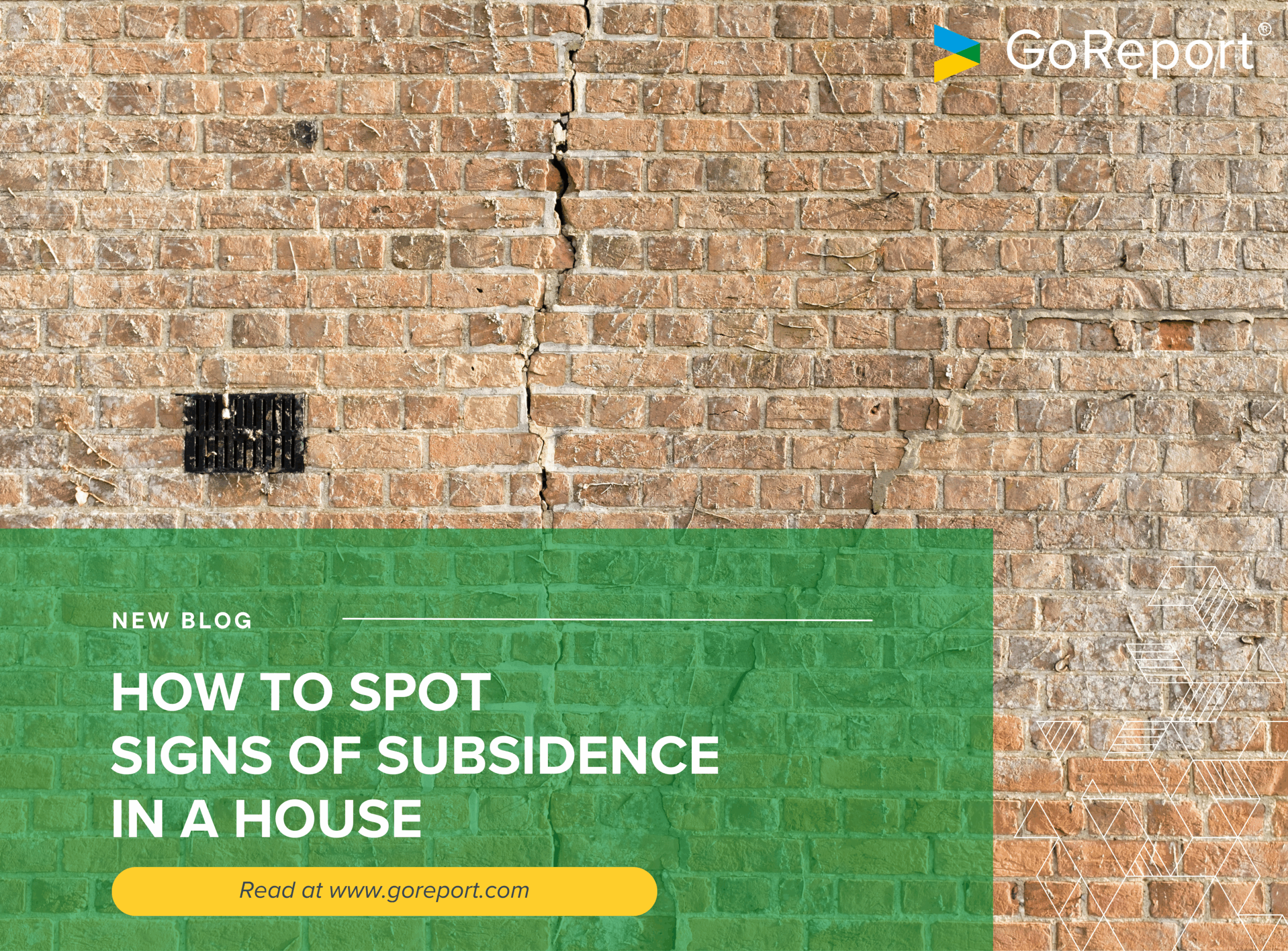
Subsidence has a habit of creeping into conversations when surveyors least want it to. One minute you are inspecting a perfectly ordinary Victorian terrace. The next, you are staring at a crack that does not quite behave like the others. Is it age? Is it poor workmanship? Or is the ground itself shifting beneath the building?
For residential surveyors, spotting subsidence tends to come down to recognising patterns over time and using judgement to decide when closer inspection is needed. Clients rely on you to separate genuine risk from harmless movement, and that trust matters.
This guide is written for surveyors who want a clear, practical way to identify subsidence during inspections. We will cover what subsidence actually is, how it shows up in homes, what causes it, and how to explain your findings without causing unnecessary alarm. Along the way, we will touch on reporting, client questions, and how tools like GoReport can make the process smoother.
Before we get into the detail, here is a quick overview of what we will cover:
What this guide covers:
-
What subsidence is and how it differs from other types of movement
-
Common signs of subsidence inside a house
-
External signs of subsidence around the property
-
How to tell subsidence apart from settlement and heave
-
Typical causes of subsidence in the UK and Ireland
-
When to recommend further investigation
-
How to report subsidence clearly and confidently
-
Frequently asked questions from clients
What is subsidence?
Subsidence is the downward movement of the ground beneath a building. As the soil loses volume, the foundations lose support, and parts of the structure begin to sink. This movement is rarely uniform, which is why it causes stress in the building fabric.
It is worth pausing here to remember that not all movement is subsidence. Buildings move for all sorts of reasons, especially older ones. The challenge is knowing when movement crosses the line into something more serious.
Subsidence tends to be progressive and localised. One corner drops slightly. A particular elevation shows distress. Over time, that movement leaves clues. Those clues are what you are looking for on site.

Early signs of subsidence inside a house
Internal signs are often what clients notice first, such as a door that starts to stick, a structural crack that seems to grow, and floors that feel a little off. As a surveyor, your job is to look beyond the surface and judge whether these issues form a pattern.
Cracks in walls and ceilings
Cracking is the headline act when it comes to subsidence, but not all cracks are created equal.
Signs that may point towards subsidence include:
-
Diagonal cracks, often running from the corners of doors or windows
-
Cracks that are wider at the top than the bottom
-
Cracks that are greater than 3mm and continue through plaster into masonry
-
Stepped cracks following mortar joints in brickwork visible internally
Hairline cracks in plaster are common, especially in older homes or after redecoration. The concern grows when cracks have shape, direction, and depth that suggest structural movement.
After noting cracks, it helps to step back and look at their distribution. Are they concentrated in one area? Do they line up with external cracking? Patterns matter.
Doors and windows that stick or misalign
When parts of a building move independently, openings tend to suffer first. Doors scrape the floor. Windows refuse to close. Frames look twisted.
On their own, these issues could be blamed on wear and tear. Combined with cracking, they start to tell a different story.
A useful habit is to check whether the issue affects multiple openings on the same elevation. That consistency often hints at foundation movement rather than joinery problems.
Sloping or uneven floors
Floors that slope can be subtle. Sometimes clients only notice when a ball rolls across the room. As a surveyor, you are better placed to spot the quiet signs.
Uneven floors can result from historic settlement or poor construction, particularly in older housing stock. Subsidence is more likely where the slope appears to be changing or is accompanied by fresh cracking elsewhere.
After observing floor levels, relate them back to the rest of the building. Floors rarely tell the full story on their own.
External signs of subsidence around a property
External inspection is where subsidence often becomes clearer. Outside, the building has fewer cosmetic layers hiding what is going on underneath.
Cracks in external walls
External cracking linked to subsidence often mirrors what you see inside, but with added clarity.
Look for:
-
Stepped cracks in brickwork or blockwork
-
Cracks running diagonally from window or door corners
-
Gaps opening between walls and extensions
-
Cracks that are wider at one end
Fresh cracks may have sharp edges and little weathering. Older cracks look softer and may show signs of previous repair. Both are relevant, especially if repairs have failed.
Once you have noted external cracking, take a moment to assess its position relative to trees, drains, and changes in ground level. These details often connect the dots.
Distortion of the building shape
Subsidence can cause subtle distortion that is easy to miss if you rush.
Signs include:
-
Leaning walls or bulging elevations
-
Rooflines that dip or no longer run straight
-
Chimneys pulling away from the main structure
These issues usually develop over time. They often indicate more advanced movement or long-term problems that were never addressed properly. After spotting distortion, it is sensible to consider whether the building has been altered. Extensions, removed walls, and changes in loading can all play a role.
Ground and drainage issues
The ground around a property can offer useful clues.
Keep an eye out for:
-
Depressions or sinking near foundations
-
Cracked or sunken paths and driveways
-
Drain covers that sit below ground level
-
Evidence of leaking or poorly maintained drains
Water is a frequent contributor to subsidence. Escaping water washes away fine particles in the soil, reducing its ability to support foundations. This is especially common in clay soils. Once drainage issues are noted, they often justify further investigation, even if structural signs are limited.
EPC Regulations for Residential Property
Residential EPC regulations affect almost every type of home.
Older homes and EPC ratings
Many homes in the UK and Ireland are older, having been built before modern insulation and heating standards.
Common issues include:
- Poor wall insulation
- Single glazing
- Old boilers or electric heating
Improving EPC ratings in older homes usually means retrofit work. This is the process of upgrading an existing building to make it more energy efficient. Common examples include adding insulation, replacing an old boiler, improving glazing, or fitting better heating controls.
These changes can improve comfort and lower energy bills, but they also come with trade-offs. Costs vary widely, work can be disruptive for occupiers, and planning rules may limit what can be done, especially in listed buildings or conservation areas.
Surveyors are often asked whether these improvements are worth doing. The honest answer depends on the property, the budget, and how the building is used.
EPCs and buying or selling homes
EPC regulations affect rentals more directly, but buyers still care.
A low EPC rating can:
- Put buyers off
- Lead to price negotiations
- Affect mortgage offers
When carrying out pre-purchase surveys, surveyors are increasingly expected to comment on energy performance, not just defects.

Subsidence or something else?
One of the most common client questions is simple but loaded. Is this subsidence?
The honest answer is often maybe, and that is okay. Your role is to assess likelihood and recommend sensible next steps.
Settlement
Settlement usually occurs soon after construction. The building adjusts to its load, and movement tapers off over time.
Typical features include:
-
Minor cracking that stabilises
-
Even movement across the structure
-
No progressive distortion
In contrast, subsidence often appears years later and tends to worsen if left unchecked.
Heave
Heave is upward movement, often following the removal of trees or shrubs. Clay soils swell as moisture levels rise.
Signs of heave can include:
-
Cracking similar to subsidence but reversed in pattern
-
Floors lifting rather than sinking
-
Damage following tree removal
Explaining the difference between subsidence and heave to clients can be tricky. Clear language helps, along with reassurance where appropriate.
Thermal and moisture movement
Seasonal changes cause materials to expand and contract. Timber frames, in particular, are prone to this.
These movements usually result in fine cracking and minor distortion that changes with the seasons. They are annoying but rarely serious.
Context is everything. Age, construction type, soil conditions, and maintenance history all shape your conclusion.
Common causes of subsidence in the UK and Ireland
Understanding why subsidence happens helps you judge risk and explain findings with confidence.
Clay shrinkage
Clay soils shrink during dry periods and swell when wet. Prolonged dry weather, which we seem to get more often now, can cause significant moisture loss.
Trees exacerbate the problem by drawing water from the soil. The closer and larger the tree, the greater the effect.
Tree roots
Roots themselves do not usually push foundations aside. The real issue is moisture extraction from clay soils.
Signs that trees may be involved include:
-
Large trees close to the building
-
Cracking more severe on the tree side
-
Seasonal variation in movement
Tree-related subsidence is one of the most common scenarios surveyors encounter.
Leaking drains
Damaged drains soften and wash away soil, particularly around older properties with clay pipes. Drain issues can be hidden for years, quietly undermining foundations. CCTV surveys are often a sensible recommendation where subsidence is suspected.
Poor foundations
Older buildings were often built with shallow foundations that would not meet modern standards. Changes in ground conditions or loading can push these foundations beyond their limits.
Extensions can also play a part, especially if they were poorly designed or constructed.

When should you recommend further investigation?
This is where professional judgement comes into play. You do not need to diagnose subsidence conclusively, but you do need to know when to escalate.
Further investigation is usually sensible when:
-
Cracks are wide, progressive, or structural
-
Multiple signs point to ground movement
-
Drainage or tree issues are present
-
The client plans significant investment
Common next steps include structural engineer input, drain surveys, and soil analysis. Framing these recommendations as precautionary rather than alarming often reassures clients.
How to report signs of subsidence clearly
Reporting on subsidence is as much about communication as it is about observation. Clients want clarity. They want to know what you saw, what it might mean, and what to do next.
Good reports tend to:
-
Describe observations plainly
-
Avoid definitive diagnoses without evidence
-
Explain possible causes in simple terms
-
Set out clear recommendations
This is where digital reporting tools make a real difference. Platforms like GoReport allow you to record site notes, photographs, and commentary in one place. Clear templates help keep your language consistent and professional, even when the subject is sensitive.
If you are looking to sharpen how you record and report issues like subsidence, GoReport is built with surveyors in mind. You can try it out with a free demo and see how it fits into your workflow.

Frequently asked questions about subsidence
What is the most common sign of subsidence?
Cracking is the most common sign, particularly diagonal or stepped cracks around doors and windows. However, cracking alone does not confirm subsidence.
Are all cracks a sign of subsidence?
No. Many cracks result from settlement, thermal movement, or ageing materials. Subsidence related cracks usually show a pattern and progression.
Can subsidence stop on its own?
In some cases, yes. If the cause is temporary, such as a short dry spell, movement may stabilise. Long term causes usually need intervention.
Is subsidence always expensive to fix?
Not always. Costs vary depending on the cause and severity. Addressing drainage or managing trees can be far less costly than underpinning.
Should a surveyor diagnose subsidence?
Surveyors should identify signs consistent with subsidence and recommend further investigation where needed. Formal diagnosis usually requires specialist input.
Does subsidence affect insurance?
It can. Properties with a history of subsidence may face higher premiums or exclusions. Clear reporting helps clients make informed decisions.
How can reporting software help with subsidence?
Digital tools like GoReport help surveyors document findings clearly, attach photos, and present balanced explanations. This improves clarity for clients and reduces misunderstandings.




Getting started with GoReport
Whether you’re a sole trader, a multi-surveyor practice, or part of a global organisation, we’re ready and waiting to start your digital journey.