

Water Ingress in Buildings: Causes, Risks and How Surveyors Should Report It
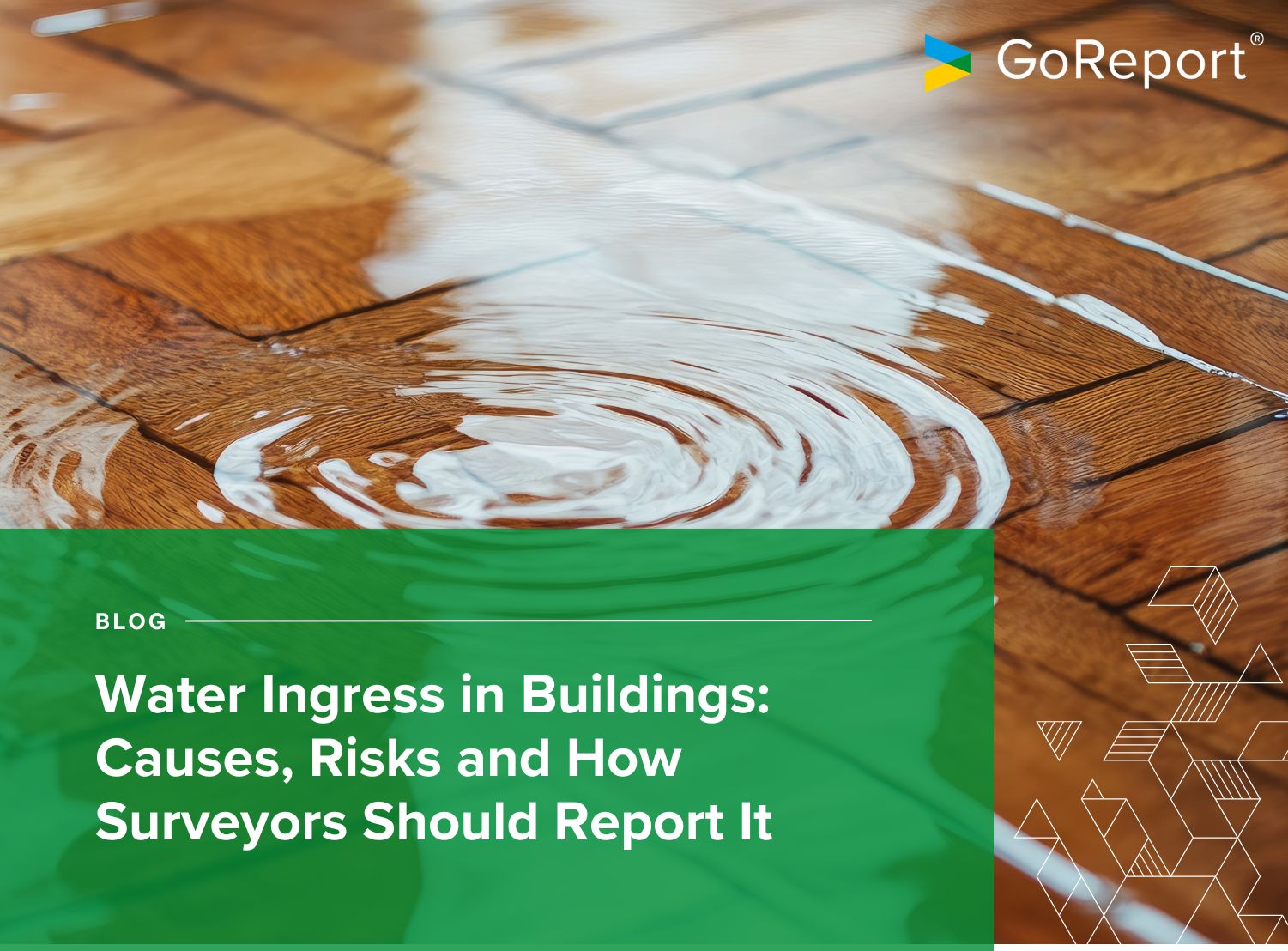
Water ingress is one of the most common, and often misunderstood, issues identified during building surveys. While symptoms may appear straightforward, the underlying causes and associated risks can vary significantly depending on the asset.
For surveyors, the challenge is not just identifying water ingress, but communicating risk clearly, consistently, and in a way that supports decision-making.
Common Causes of Water Ingress in Buildings
In practice, water ingress is rarely the result of a single defect and is more often driven by a combination of building envelope failure, poor drainage, structural movement, and maintenance issues over time. Surveyors will frequently encounter cases where degraded roofing systems, failed junction details, or blocked water management systems work together to create pathways for water penetration, sometimes exacerbated by cracking or subtle structural movement.
In newer assets, defects can also stem from poor workmanship or detailing, which may not become apparent until damage has already occurred. As explored in our guide to Understanding Structural Cracks: Identification, Types and Causes, even minor defects can introduce risk if not properly assessed and contextualised. From a reporting perspective, the challenge is not simply identifying the presence of water ingress, but clearly articulating the likely cause, level of certainty, and potential impact, particularly where multiple contributing factors are involved.
Understanding the root cause is critical, as it directly impacts risk assessment and reporting accuracy.
Why Water Ingress Matters in Surveying
Water ingress is rarely an isolated defect and should be viewed in the context of wider asset performance, risk, and long-term deterioration. While the presence of moisture may appear localised, its impact can extend across structural integrity, building fabric, and occupant health if not properly assessed and communicated. From a surveying perspective, the significance lies not just in identifying the issue, but in how clearly the risk is articulated within the report.
Key considerations include:
- Progressive deterioration – ongoing moisture exposure can accelerate decay of materials, impacting both structure and finishes
- Hidden risk – water ingress is often symptomatic of broader issues within the building envelope or drainage systems
- Health and compliance implications – prolonged moisture can lead to mould growth and associated regulatory concerns
- Impact on asset value – unresolved issues can influence investment decisions and long-term maintenance costs
- Reporting and liability risk – unclear or inconsistent reporting increases the potential for misinterpretation and professional exposure
As with other building defects, clear identification and contextualisation are critical. Approaches to defect reporting should align with best practice, as outlined in Understanding Structural Cracks: Identification, Types and Causes, ensuring that findings are communicated in a way that is consistent, defensible, and actionable.
How Surveyors Should Report Water Ingress
A robust water ingress assessment goes beyond identifying moisture and instead focuses on clearly communicating cause, risk, and next steps in a structured and defensible way. Surveyors should aim to pinpoint the most likely source of ingress, supported by observable evidence such as staining, damp patches, or material degradation, while clearly stating any limitations where the cause cannot be confirmed. It is essential to distinguish between symptoms and root cause, ensuring conclusions remain balanced and evidence based. Alongside this, the report should articulate the potential implications of the defect, including the likelihood of deterioration, impact on building fabric, and any associated health risks, enabling clients to understand severity and prioritise action.
Consistency in terminology is equally important, particularly when reporting across multiple assets or teams, as it reduces ambiguity and supports clearer risk interpretation. Each issue should be supported by practical, prioritised recommendations, whether that involves immediate remedial works, further investigation, or ongoing monitoring. Where uncertainty exists, this should be transparently communicated to ensure reports remain defensible. A structured approach, supported by platforms like GoReport, helps ensure findings are delivered in a way that is clear, consistent, and aligned with professional standards.
Best Practice Checklist for Surveyors
A consistent and structured approach to reporting water ingress is essential to ensure findings are clear, defensible, and actionable, particularly where multiple factors may be contributing to the issue.
- Identify source of ingress
- Assess severity and impact
- Use consistent terminology
- Assign a clear risk level
- Provide actionable recommendations
Adopting this approach not only improves the clarity of individual reports, but also supports greater consistency across portfolios, enabling clients to better understand risk and make informed decisions with confidence.
The Importance of Structured Reporting
One of the biggest challenges in surveying is maintaining consistency across reports, particularly across portfolios.
Structured reporting enables:
• clearer communication
• improved defensibility
• better comparison across assets
Platforms like GoReport support surveyors in standardising how data is captured and presented, helping firms move beyond static reports towards more consistent, data-driven insights. If you’re looking to improve reporting quality, reduce risk, and scale consistency across your portfolio, GoReport provides the tools to do exactly that.
FAQs
What is water ingress in buildings?
Water ingress is the uncontrolled entry of water into a building, typically caused by structural defects or maintenance issues.
What is the difference between water ingress and damp?
Water ingress is usually linked to a specific defect, while damp is often caused by broader environmental or ventilation issues.
How should surveyors report water ingress?
Surveyors should clearly identify the source, assess risk, and provide structured recommendations using consistent terminology.
Water ingress is one of the most frequently encountered issues in surveying.
The firms that stand out are those that can translate technical findings into clear, structured, and defensible reports, enabling better decisions across assets and portfolios.




Getting started with GoReport
Whether you’re a sole trader, a multi-surveyor practice, or part of a global organisation, we’re ready and waiting to start your digital journey.